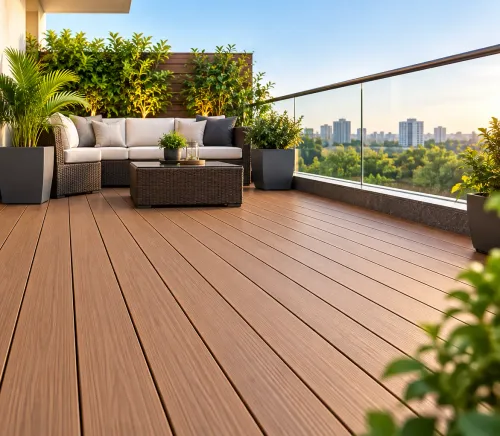
Urban homes often face one common challenge: limited outdoor space. While many homeowners would like to enjoy more greenery, balconies, terraces, and compact gardens do not always provide enough room for traditional landscaping. Vertical gardens offer an innovative solution by allowing plants to grow upward instead of outward, making them ideal for modern homes in Thane.
Whether installed inside a residence or on an exterior wall, vertical gardens combine natural beauty with efficient space utilisation. They are increasingly being incorporated into apartments, villas, offices, cafés, hotels, and commercial buildings where creating a greener environment is a priority.
What Is a Vertical Garden?
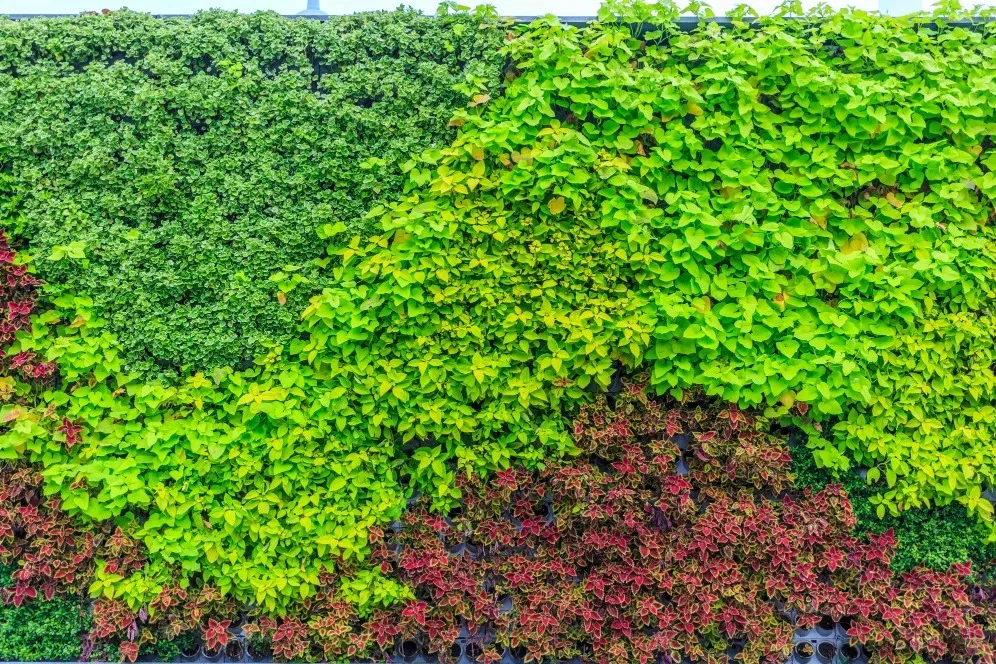
A vertical garden is a system where plants are arranged on a vertically mounted structure rather than planted directly into the ground.
Depending on the design, a vertical garden may include:
- Living plants
- Artificial foliage
- Modular planting systems
- Decorative wall panels
- Irrigation-supported green walls
Each option serves different maintenance requirements and aesthetic goals.
Why Are Vertical Gardens Becoming Popular?
As cities continue to grow, available outdoor space becomes increasingly limited. Vertical gardens allow homeowners to introduce greenery without sacrificing valuable floor space.
Some of the key benefits include:
- Better utilisation of compact areas
- Improved visual appeal
- Increased privacy
- Natural cooling effect
- Enhanced indoor ambience
- Attractive feature walls
- Greater design flexibility
These advantages make vertical gardens suitable for both residential and commercial environments.
Best Locations for Installation
Vertical gardens can transform a wide variety of spaces.
Popular installation areas include:
- Balcony walls
- Terrace boundaries
- Entrance areas
- Living room feature walls
- Courtyards
- Office reception areas
- Restaurant interiors
- Café seating spaces
- Hotel lobbies
Even small apartment balconies can become inviting green retreats with thoughtful vertical garden design.
Living Plants or Artificial Vertical Gardens?
Both options have their advantages.
Living vertical gardens create authentic greenery, improve the surrounding environment, and offer a natural appearance. However, they require irrigation, sunlight, pruning, and ongoing maintenance.
Artificial vertical gardens provide a consistently attractive appearance without watering, trimming, or seasonal maintenance. They are especially suitable for indoor spaces with limited sunlight or for homeowners seeking low-maintenance décor.
The right choice depends on lifestyle, maintenance preferences, and available natural light.
Factors to Consider Before Installation
Before selecting a vertical garden, evaluate:
- Wall strength
- Sunlight availability
- Water drainage
- Maintenance commitment
- Indoor or outdoor placement
- Desired appearance
- Budget
Careful planning helps ensure the installation remains both functional and visually appealing over the long term.
Maintenance Tips
For living vertical gardens:
- Monitor irrigation regularly.
- Remove dry leaves.
- Trim plants periodically.
- Use suitable fertilisers.
- Check drainage systems.
For artificial vertical gardens:
- Dust occasionally.
- Wash gently when required.
- Inspect mounting systems periodically.
- Avoid harsh cleaning chemicals.
Proper care helps maintain the appearance and durability of both systems.
Why Professional Design Matters
An attractive vertical garden involves much more than attaching plants to a wall. Proper planning considers plant selection, irrigation, structural support, lighting, and overall visual balance.
Indian Furnishing & Mattress offers vertical garden solutions designed to suit residential and commercial interiors while considering available space, maintenance expectations, and architectural style. Their approach focuses on creating installations that complement the property's overall design rather than treating greenery as an afterthought.
For homeowners and businesses across Thane, vertical gardens provide a practical way to introduce greenery into limited spaces while enhancing aesthetics, improving ambience, and creating inviting environments that remain attractive throughout the year.
Keywords