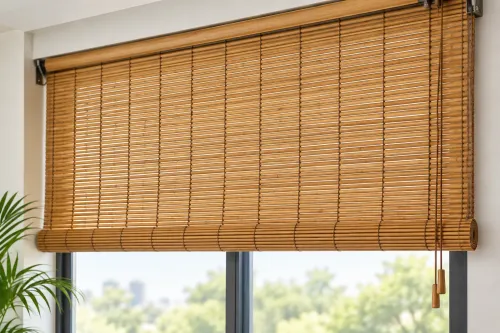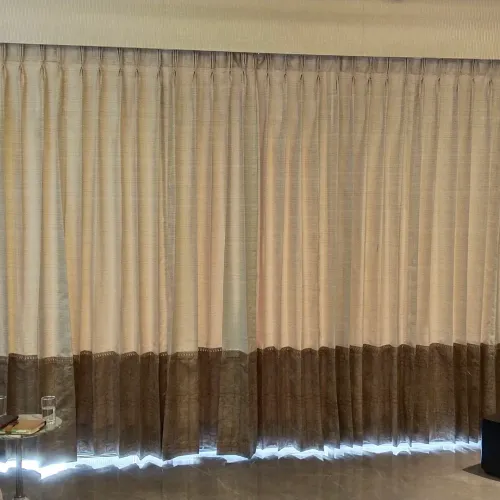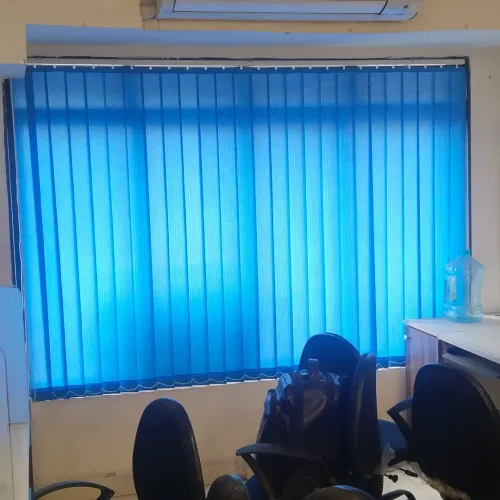
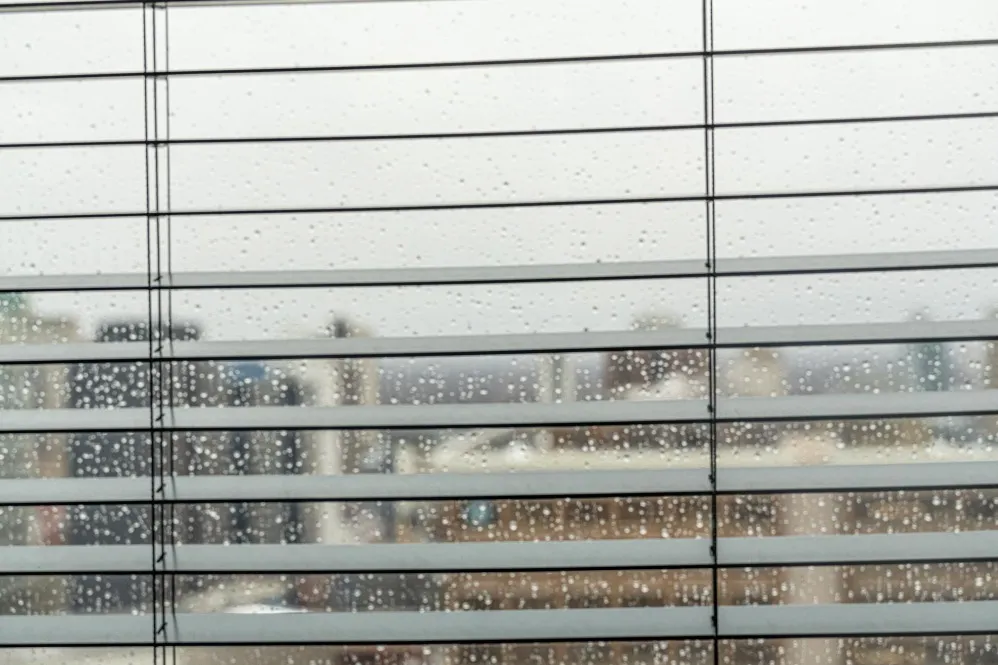
Heavy rain changes how balconies, semi-open areas and exposed windows are used. Wind-driven water can make these spaces difficult to maintain, while constantly shifting indoor items away from exposed openings becomes inconvenient. Monsoon Blinds are designed to provide additional protection for suitable openings during wet weather.
In Thane, Maharashtra, where monsoon rainfall is an important seasonal consideration, planning these blinds before the rains can improve the usability of certain spaces.
What Are Monsoon Blinds?
Monsoon blinds are protective window or opening coverings commonly used in areas exposed to rain and wind. Depending on the product and installation, they can help limit rainwater entering balconies and semi-open spaces while maintaining practical access when the weather improves.
They are commonly considered for:
- Balconies
- Utility areas
- Semi-open terraces
- Verandas
- Covered outdoor seating spaces
- Exposed openings
Their suitability depends on the site's dimensions, wind exposure and structural conditions.
Understand the Difference Between Protection and Waterproofing
A frequent misconception is that installing a blind makes an open balcony completely waterproof.
Rain direction changes with wind, and water can potentially enter through edges, gaps or other exposed areas. The effectiveness of any installation depends on the blind material, coverage, fixing method and characteristics of the opening.
For this reason, buyers should discuss expected rain protection realistically rather than assuming complete sealing.
Material Quality Matters
A monsoon blind spends significant time exposed to moisture, sunlight and outdoor conditions. Material selection should therefore focus on durability and practical maintenance.
Check the quality of the covering material as well as supporting components. Ask how the blind should be cleaned and dried and whether it should remain rolled up during particular weather conditions.
Hardware matters too. Tracks, brackets, fasteners and operating mechanisms should be appropriate for the installation environment.
Measure the Opening Properly
A blind that is too narrow can leave excessive side exposure. Poorly planned installation can also affect operation.
Before installation, assess:
- Width and height of the opening
- Mounting surface
- Balcony railing position
- Ceiling or beam availability
- Wind exposure
- Drainage around the balcony
- Furniture or objects that may obstruct operation
These factors can determine whether a proposed blind system is practical.
Maintain Ventilation During the Monsoon
Closing an exposed area against rain should not mean ignoring ventilation.
Thane's monsoon brings high humidity, so enclosed spaces can feel damp if airflow is inadequate. Open the blinds when weather conditions permit and allow wet surfaces to dry properly.
Any water entering the balcony should also have a clear drainage path. Blinds should complement sensible rain management rather than substitute for drainage or building maintenance.
Plan According to the Actual Site
Indian Furnishing & Mattress in Thane provides window furnishing options for customers evaluating practical solutions for local homes. For Monsoon Blinds, site-specific assessment is particularly valuable because two balconies of similar size may have very different exposure to wind and rain.
Homeowners should focus on appropriate coverage, reliable operation, durable materials and correct installation. When these factors are considered together, monsoon blinds can make exposed areas easier to manage through Maharashtra's rainy months while preserving their usefulness during the rest of the year.
Keywords